
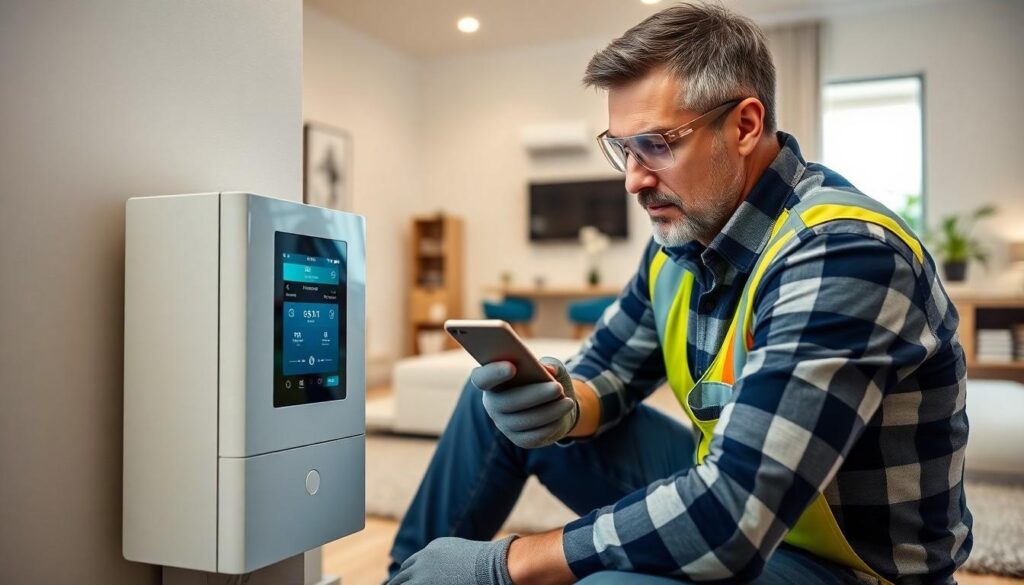
In a world where your coffee maker can chat with your fridge, the role of a smart home technician has never been more crucial. These tech-savvy wizards transform ordinary houses into futuristic havens, making life easier and a lot more entertaining. Imagine walking into your home and having it greet you like an old friend—now that’s the kind of welcome everyone deserves.
But don’t let the term “smart home” fool you; it’s not just about flashy gadgets. It’s about creating a seamless experience that saves time, energy, and maybe even a few arguments over the thermostat. With homes getting smarter by the day, the demand for skilled technicians is skyrocketing. So, if you’ve got a knack for technology and a sense of humor, this might just be the career path that turns your passion into a paycheck.
Overview of Smart Home Technicians
Smart home technicians play a crucial role in integrating technology into residential spaces. These professionals create user-friendly environments that enhance convenience and efficiency.
Definition and Role
A smart home technician specializes in installing and maintaining smart devices and systems. They handle various tasks including setting up security systems, smart lighting, and climate control solutions. Their expertise ensures that homeowners benefit from seamless connectivity and optimal functionality. Troubleshooting and providing ongoing support also fall under their responsibilities, making them essential for users who may encounter technical issues.
Importance in Modern Homes
Smart home technicians significantly impact daily living through the integration of advanced technology. They improve energy efficiency, making homes more sustainable and cost-effective. Increased convenience is another benefit, as these technicians enable users to control their homes from anywhere via smartphones. Enhanced security systems installed by these professionals provide peace of mind for homeowners. As demands for smart solutions grow, the expertise of smart home technicians remains vital in adapting residential spaces to evolving technology trends.
Skills Required for Smart Home Technicians

Smart home technicians require a blend of technical and soft skills to effectively install and maintain intelligent home systems. Mastery in both areas ensures they meet clients’ needs and adapt to evolving technologies.
Technical Skills
Knowledge of electrical systems and wiring is fundamental. Familiarity with various smart devices like thermostats, cameras, and lights aids in effective troubleshooting. Understanding networking concepts, such as Wi-Fi and Bluetooth protocols, optimizes connectivity between devices. Experience with programming interfaces, including mobile applications and smart hubs, allows for customization based on user preferences. Familiarity with security protocols and data privacy regulations is essential to ensure installation compliance and maintain user trust.
Soft Skills
Effective communication skills are vital for understanding client requirements and explaining complex systems. Problem-solving abilities help technicians address issues promptly, ensuring minimal disruption to clients’ lives. Adaptability is necessary to keep up with technological advancements and changing client needs. Customer service orientation enhances client relationships, establishing trust and encouraging referrals. Time management skills enable technicians to prioritize tasks efficiently and maintain schedules.
Certifications and Training
Certifications and training enhance the expertise of smart home technicians. They demonstrate knowledge, skills, and commitment to the industry.
Relevant Certifications
Industry-recognized certifications validate a technician’s capabilities. Credentials such as the Certified Automation Professional (CAP) represent a strong foundation in automation and control technologies. The CompTIA IT Fundamentals (ITF+) certification covers essential IT skills, beneficial for networking and smart device integration. Additionally, the Electronics Technicians Association (ETA) offers certifications tailored for home automation. These qualifications give technicians an edge and promote trust among clients.
Training Programs
Various training programs equip technicians with necessary skills. Technical schools and community colleges provide courses focused on smart technology installation. Additionally, online platforms like Coursera and Udemy offer flexible learning options. These programs cover topics such as networking, programming, and electronics. Hands-on training opportunities, including internships or apprenticeships, enable technicians to work directly with smart systems. Combining theoretical knowledge with practical experience helps professionals stay current in the ever-evolving smart home landscape.
Tools and Equipment Used
Smart home technicians rely on various tools and equipment to effectively install and maintain smart systems. These tools enhance their ability to integrate technology into homes seamlessly.
Essential Tools
Common tools include multimeters for electrical diagnostics, wire strippers for connecting systems, and screwdrivers for device installation. Technicians often carry drill sets for mounting devices securely. Safety equipment like gloves and goggles ensures their protection during installations. Ladders assist when technicians access high areas for equipment installation. These essential tools enable precise and efficient work, ensuring installed systems function correctly.
Software Platforms
Technicians utilize various software platforms to streamline installations and diagnostics. Configuration software helps in setting up device connections and optimizing settings. Network management tools monitor connectivity and troubleshoot issues effectively. Mobile applications often facilitate easier remote control of systems. Additionally, design software aids in planning layout and functionality. Productivity remains high when using these platforms, allowing technicians to focus on delivering quality service.
Trends in Smart Home Technology
Smart home technology rapidly evolves, pushing boundaries and enhancing everyday living experiences.
Emerging Technologies
Artificial intelligence (AI) significantly improves smart home devices, enabling them to learn user preferences and automate tasks. Voice-activated assistants integrate seamlessly, allowing users to control various devices through simple commands. Advanced security systems now employ facial recognition and real-time monitoring, boosting home safety. Furthermore, energy-efficient smart appliances reduce utility costs while providing data on consumption patterns. Home automation systems increasingly support interoperability among devices, ensuring easier integration. Smart sensors that detect occupancy and environmental changes promote energy conservation by optimizing heating and cooling systems. These innovations not only enhance convenience but also create a more sustainable living environment.
Future Prospects for Smart Home Technicians
The demand for smart home technicians is set to grow as technology becomes more ingrained in daily life. Skillful technicians can expect increased opportunities in installation and maintenance as smart devices continue to proliferate. Adapting to emerging trends, professionals will need to master new technologies like IoT devices and advanced cybersecurity practices. Continuous education and certifications will remain crucial for staying competitive in the field. Collaborations with manufacturers may also become common as technicians offer valuable feedback for developing improved products. As urban areas expand and smart cities evolve, these technicians play a vital role in ensuring homes remain connected and efficient. Increased consumer awareness of smart home benefits promises additional job openings, making this career path increasingly appealing.
The role of smart home technicians is pivotal in shaping modern living environments. As technology becomes more integrated into homes, these professionals ensure that systems function seamlessly and efficiently. Their blend of technical and soft skills allows them to meet diverse client needs while adapting to rapid advancements in smart technology.
With the rising demand for smart home solutions, pursuing a career as a smart home technician offers exciting opportunities. Continuous learning and staying updated on industry trends will be crucial for success. As smart homes evolve, technicians will play an even more significant role in enhancing convenience, security, and energy efficiency in everyday life.